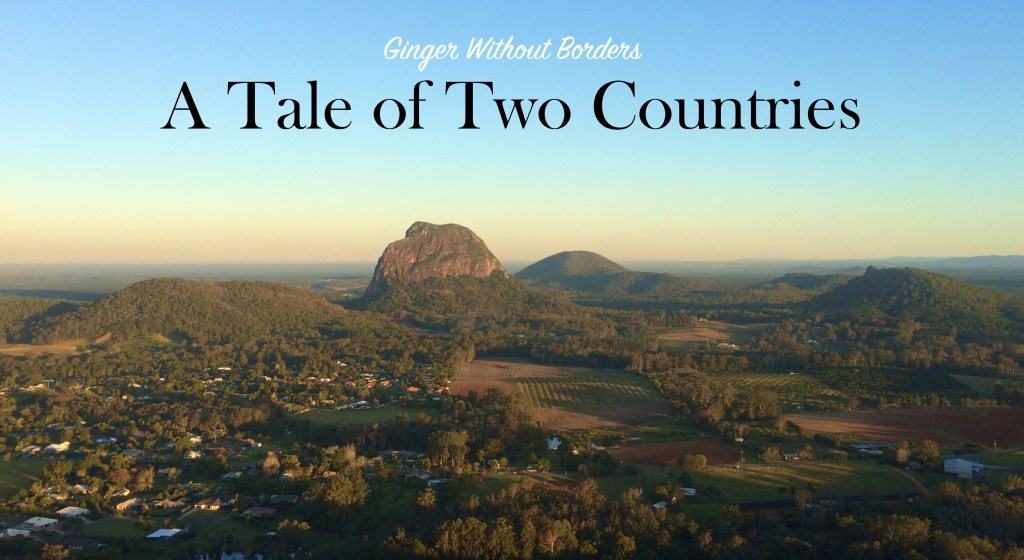
We began our journey in Australia, the oldest subcontinent on Earth, so distant from evolution elsewhere that its only native non-human mammals are marsupials. The aboriginal people have been there for over 30,000 years. New Zealand is young (and still growing with every earthquake). It’s landscape can be starkly beautiful, which is why Native son, Peter Jackson, cast it as Middle Earth for the Lord of the Rings movies. NZ played the part brilliantly and the movies brought the natural beauty of NZ to the attention of the rest of the world. Pictures are a poor substitute since they do not capture the 360 degree view, the smell of the bush and wind, or the dampness in the clouds.
“N Zed” is how the 70% of the population that identify as European refer to their country (just as we say the US). The Maori call it Aotearoa, which literally means Land of the Long White Cloud. My Cherokee ancestors called the NC mountains the Land of the Blue Mist while my European ancestors named those same mountains the Blue Ridge. We just had trouble remembering that Z is pronounced ZED.
In Rotorua, the Maori proudly pointed out that while Europeans still believed the world was flat, their ancestors were navigating by the stars and populating the south pacific. Each Maori family traces its origins to the site where the double hulled ocean canoe of their ancestors landed in NZ (somewhere between 1,200 and 800 years ago). Before European contact, most Maori were nomadic but they always returned to their canoe landing site.
With the Treaty of Waitangi in 1840, the Maori were one of the few indigenous people to agree to become citizens of the British crown in exchange for allowing the British to be the only Europeans to purchase their land. Waitangi Day is a NZ national holiday. The site near Paihia where those documents (in Maori and English) were signed hosts the annual ceremonies.
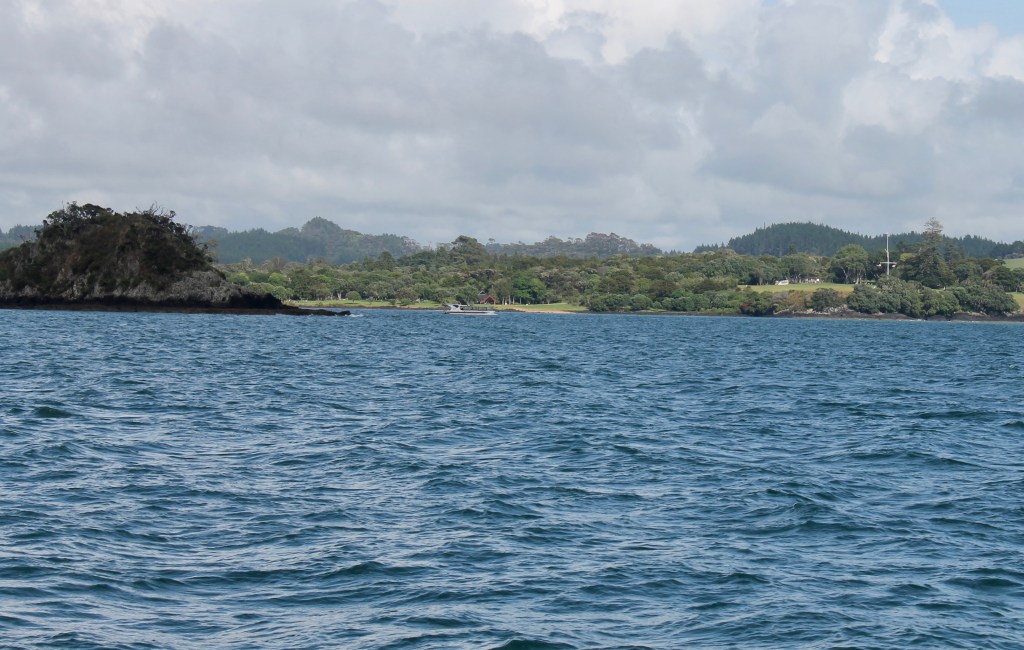
But there were soon disagreements about what the words of each document meant. The British began to expand their settlements onto land that the Maori did not believe they had sold to the British (sounds like the American Indian experience). The discussion regarding the different interpretations of the language of the two documents continues today. The Maori are successfully reclaiming some of the land that was occupied by the British settlers.
However, relations between the Maori and the majority appear to be good (witness the Kaikouri Maori feeding the town after the 2016 earthquake). Almost all of the Maori we met were involved in the tourism sector and loved to talk about their culture. Europeans as settlers have only been in NZ since 1850s, yet it is generally believed that there are no pure blood Maori left. The Maori have never used blood tests to judge tribal membership. The NZ government once did (to control the Maori populations), but those tests ended in 1975. The Maori say, “we don’t care if you have any Maori blood. If you are willing to learn our history, culture and language, you are welcome on any marae (the formal square before a Maori meeting house).” And it was very special to me when I was taught how to perform the hongi (the traditional greeting where you touch foreheads and noses so you can exchange each other’s breath).
Today those who identify as Maori represent almost 17% of the population (compared to 1.6% who identify as Native Americans in the US). Almost all signs are in both Maori and English.
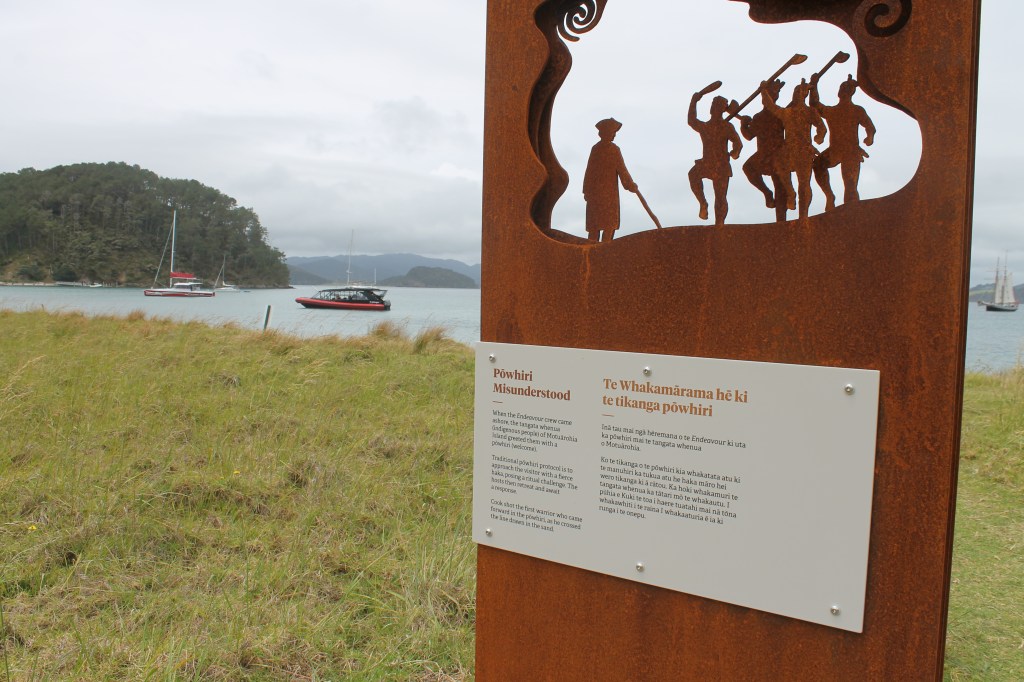
The Maori names for most places were not used by the British settlers, so the English name and the Maori name often have very different meanings. Some places, like Rotorua, only have the Maori name. The Maori language is used on some TV and radio shows. Maori have their own representatives in the NZ parliament and are discussing forming their own political party. And almost everyone in NZ greets you with the Maori greeting “Kia ora” (literally meaning “have life”), which is roughly pronounced KEY-OR-AH. Like aloha in Hawaii, kia ora has many meanings in NZ today.
Kiwis (they love their nickname and their flightless bird) embrace both British and Maori culture. A great example is the NZ Rugby team and its haka. The Kiwis are extremely proud of the historical successes of their rugby teams. Not far behind is the national passion for cricket. Dawn and I believe we finally understand most of the rules of rugby, but we will never understand cricket. Interestingly, basketball is becoming a growing passion in NZ.
At first, it was intimidating to drive on the narrow roads of the south island, the one-way at a time bridges were a challenge, and the road contruction stops a frustration. It finally made sense when we came to understand that NZ is constantly rebuilding their highways and railroad tracks because the land that they sit on is simply not stable. And their bridges are constantly being washed away by the heavy rains from the monster gales that come off the Pacific (at its widest point, NZ is only 280 miles wide). But I am so thankful that the US believes in guardrails and clearly marked two lane highways (and actual controlled access interstates). NZ is spending a lot to widen and improve their roads and some are quite nice, particularly in the north island where 70% of the population lives.
With more time (as with Australia), other impressions will rise in my thoughts. But right now, as we begin to decompress from the routine of travel and adjust to being back in the US, I just want to get back to the point where I instinctively know which side is the turn signal and which side is the windshield wipers. And hope I don’t forget to stay to the right at night when driving.
 Ginger Without Borders
Leave a comment