
The site where Mumbai grew was originally an archipelago of seven islands. Records indicate that there was a settlement here as early as the third century BCE. The Greek mathematician and geographer Ptolemy described the island settlements in 150 CE. In 1535, the Sultan of Gujarat ceeded the islands to the Portuguese in return for protection of his lands from encroachment by a Mogul Emperor. Due to the deep water port formed by the islands, the Portuguese named the area Bombay, or “good bay.” In 1661, the King of Portugal gave Bombay and other possessions as part of the dowry for his daughters’ marriage to King James II of England. Portugal had only recently gained its freedom from Spain and needed the support of the British navy to maintain that independence.
It was the British who sought to take maximum advantage of the deep water port by engineering a plan to reclaim the land between the islands. The project began in 1782 and was not completed until 1845. The inspiration for this plan was the loss of free access to the cotton fields of the American South when the British lost the Revolutionary War. Now, they needed the cotton fields of India. The first cotton mill was built in Mumbai in 1854. The outbreak of the American Civil War (and the Union blockade of Southern cotton products) dramatically increased world demand for cotton. Then, the Suez Canal opened in 1869, shortening the distance to European markets. In the remaining years of the nineteenth century, Indian merchants founded numerous textile companies and the demand for workers fueled the rapid growth of an industrial Mumbai.
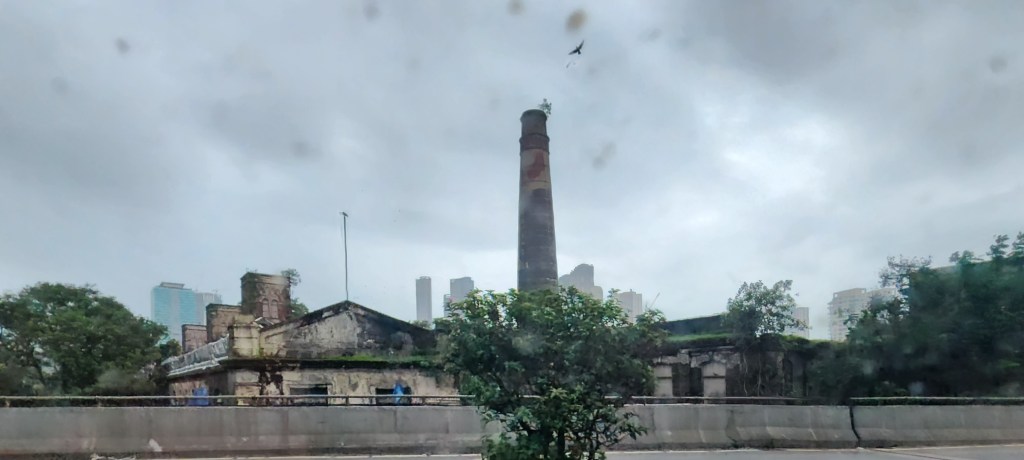
Today, the Mumbai port handles 70% of all Indian maritime trade. And 70% of all Indian financial transactions are processed in Mumbia, making it the financial capital of India. The Mumbai economy attracts migrants from all parts of India (including Kingston’s parents, who immigrated to Mumbai from the state of Kerala after they married). The population of the city is 12.5 million, and the urban area has over 23 million, making it India’s biggest city and the word’s 6th largest city.
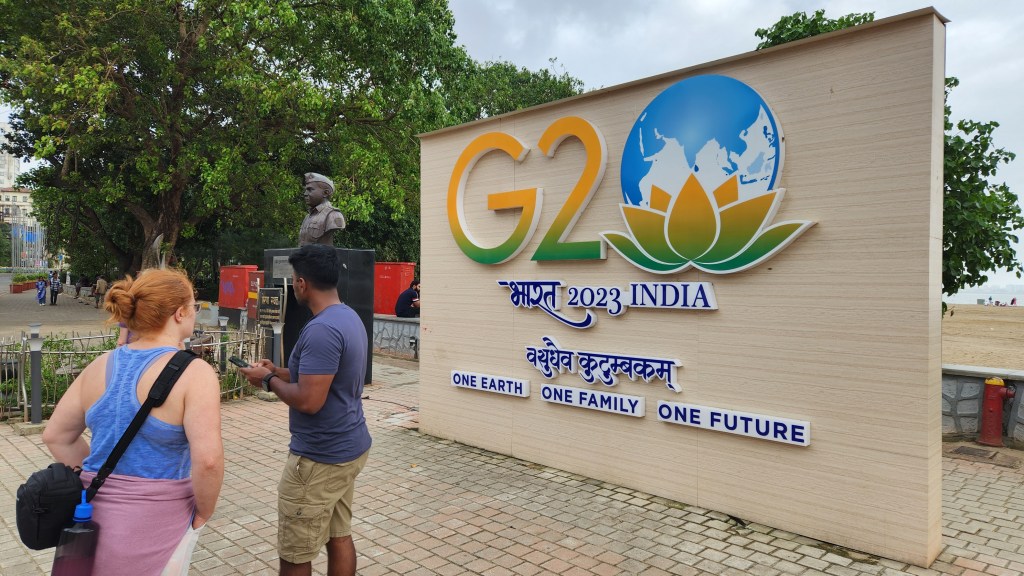
The name change to Mumbai from Bombay happened when the regional political party Shiv Sena came into power in 1995. The Shiv Sena saw the name Bombay as a legacy of British colonialism. They wanted the city’s name to reflect its role in the Maratha Empire (a modern Indian Empire that controlled most of central India at the time of British expansion and an inspiration for the Indian Independence Movement), renaming it to pay tribute to the Hindu goddess, Mumbadevi. Interestingly, Kingston and his family still refer to the city as Bombay almost as often as they use Mumbai. Most recently, it was the site of the G20 gathering of industrialized countries.
 Ginger Without Borders
Leave a comment